Plastic soup
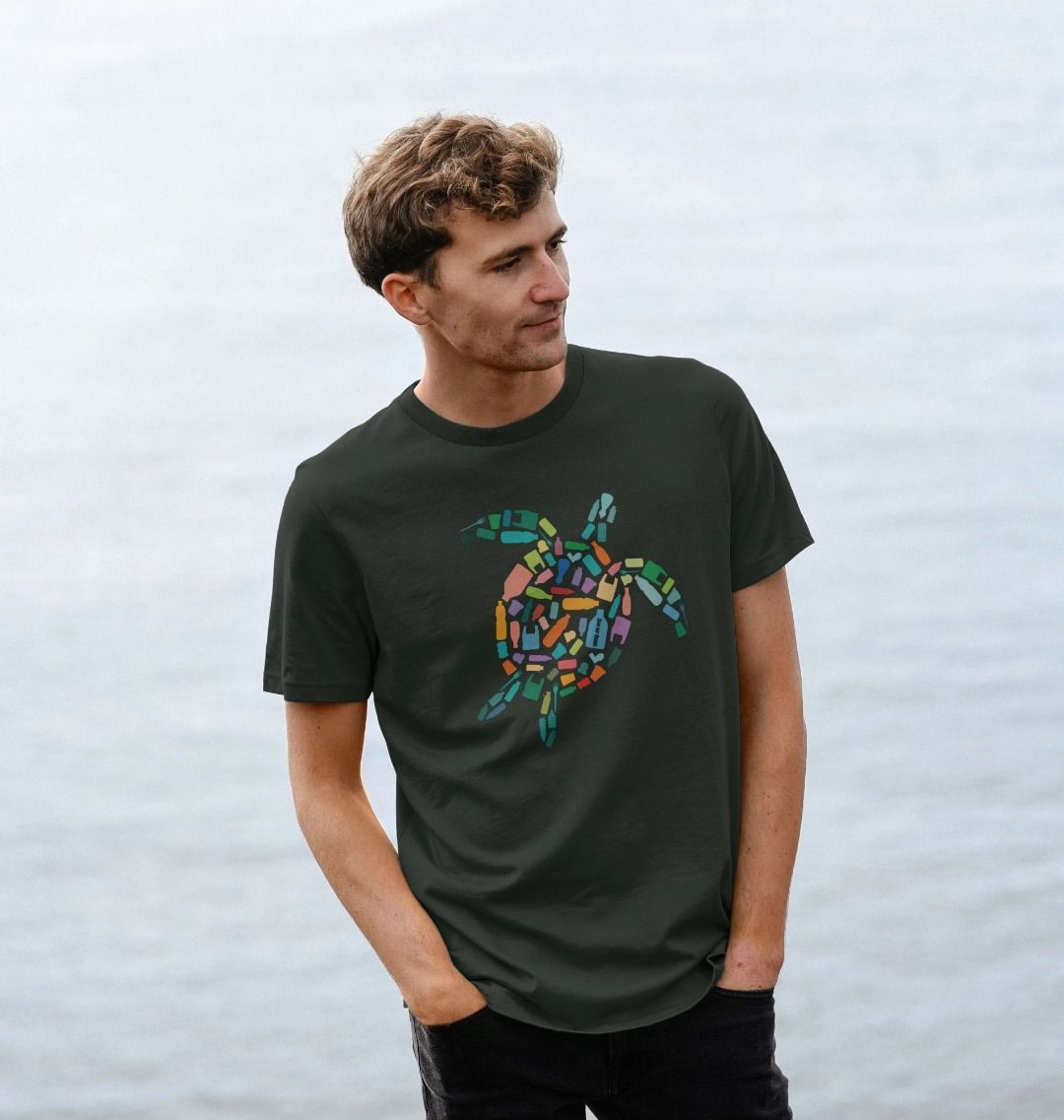
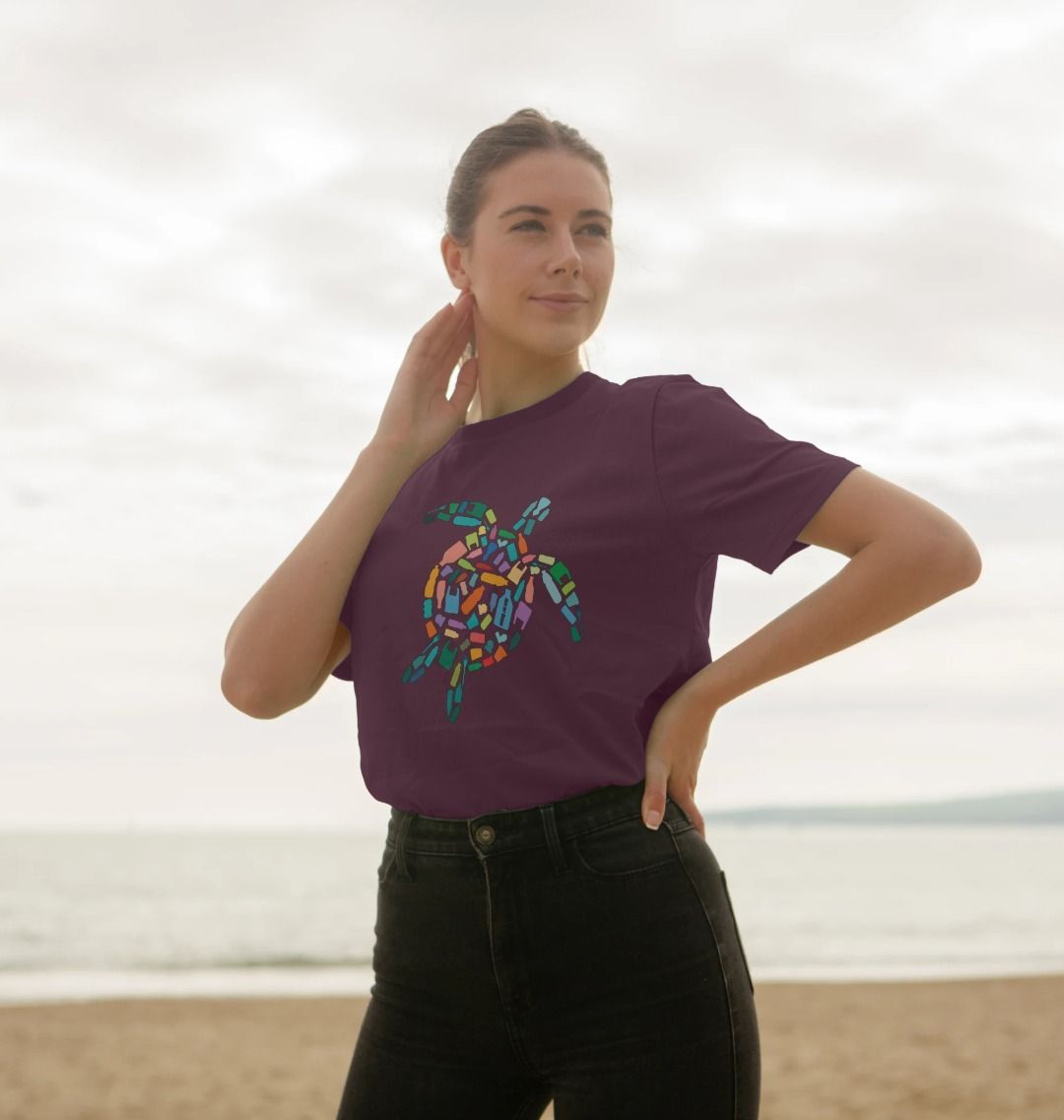
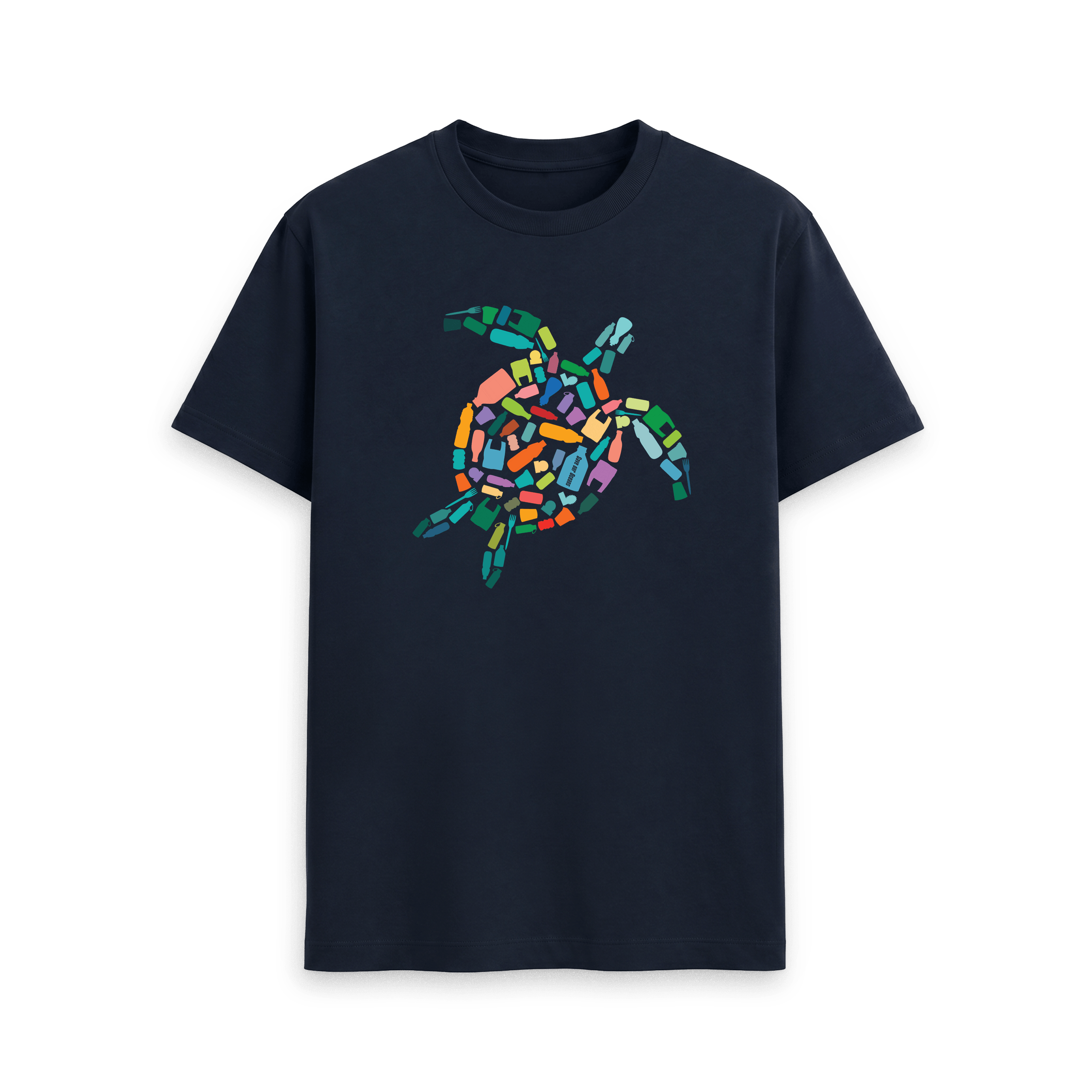
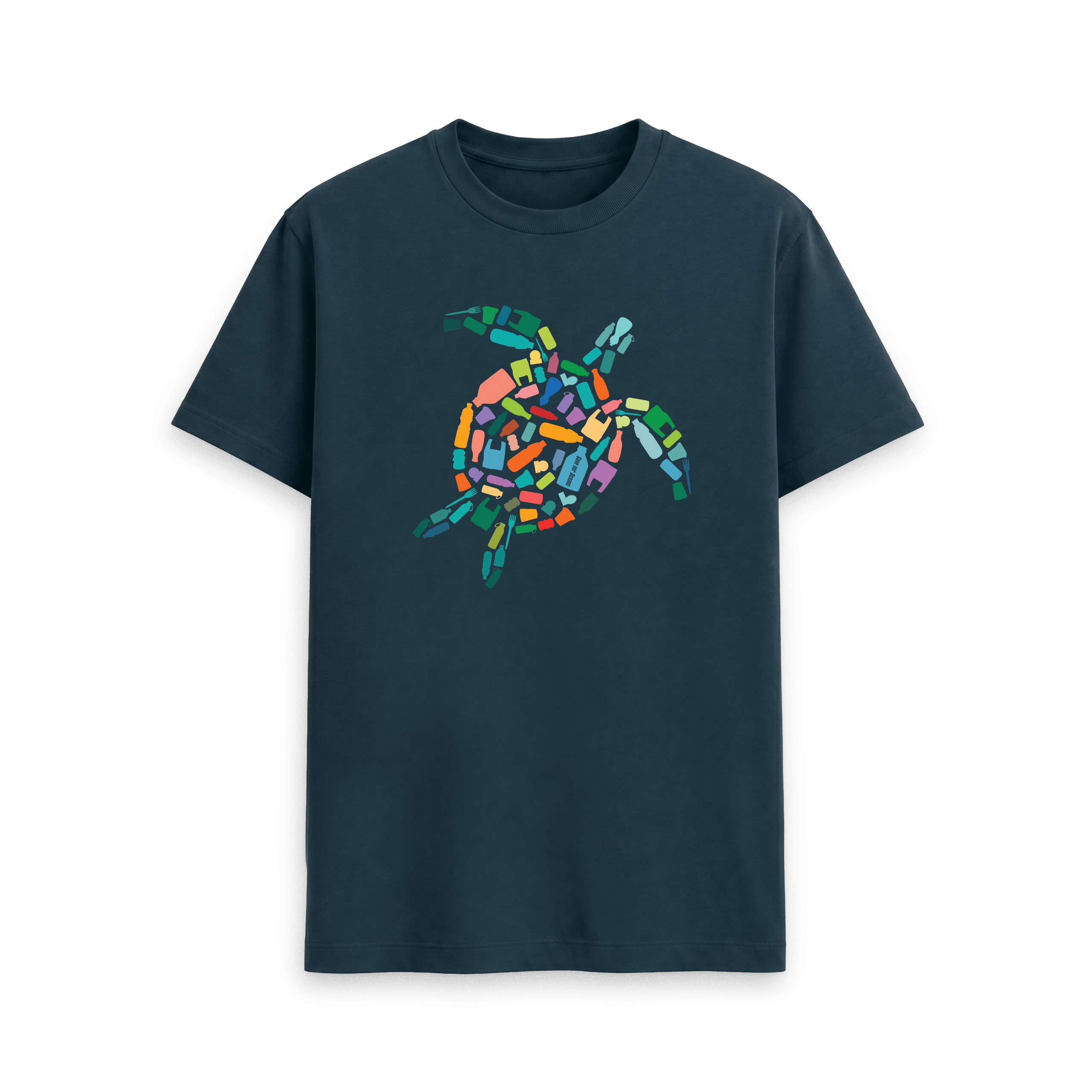
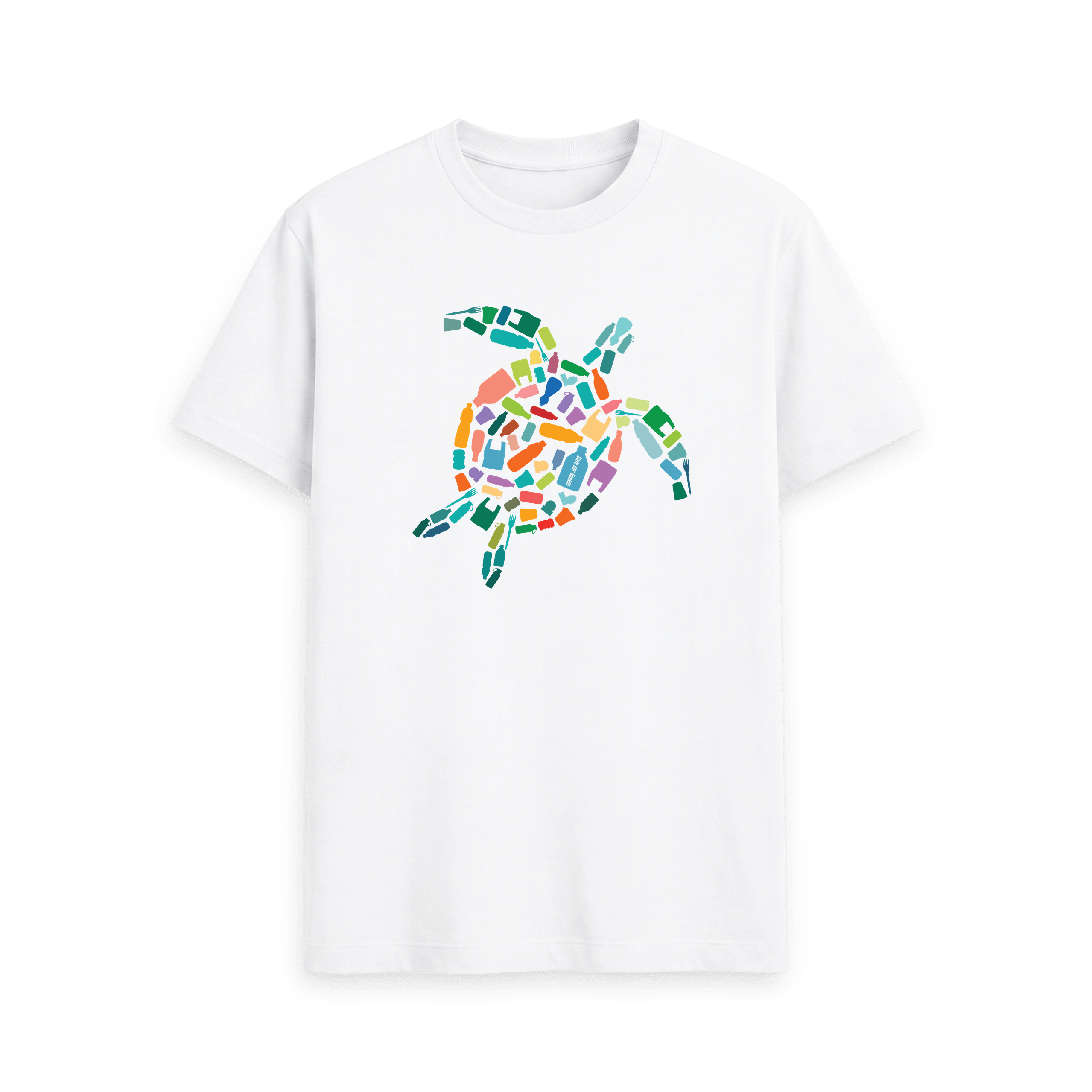
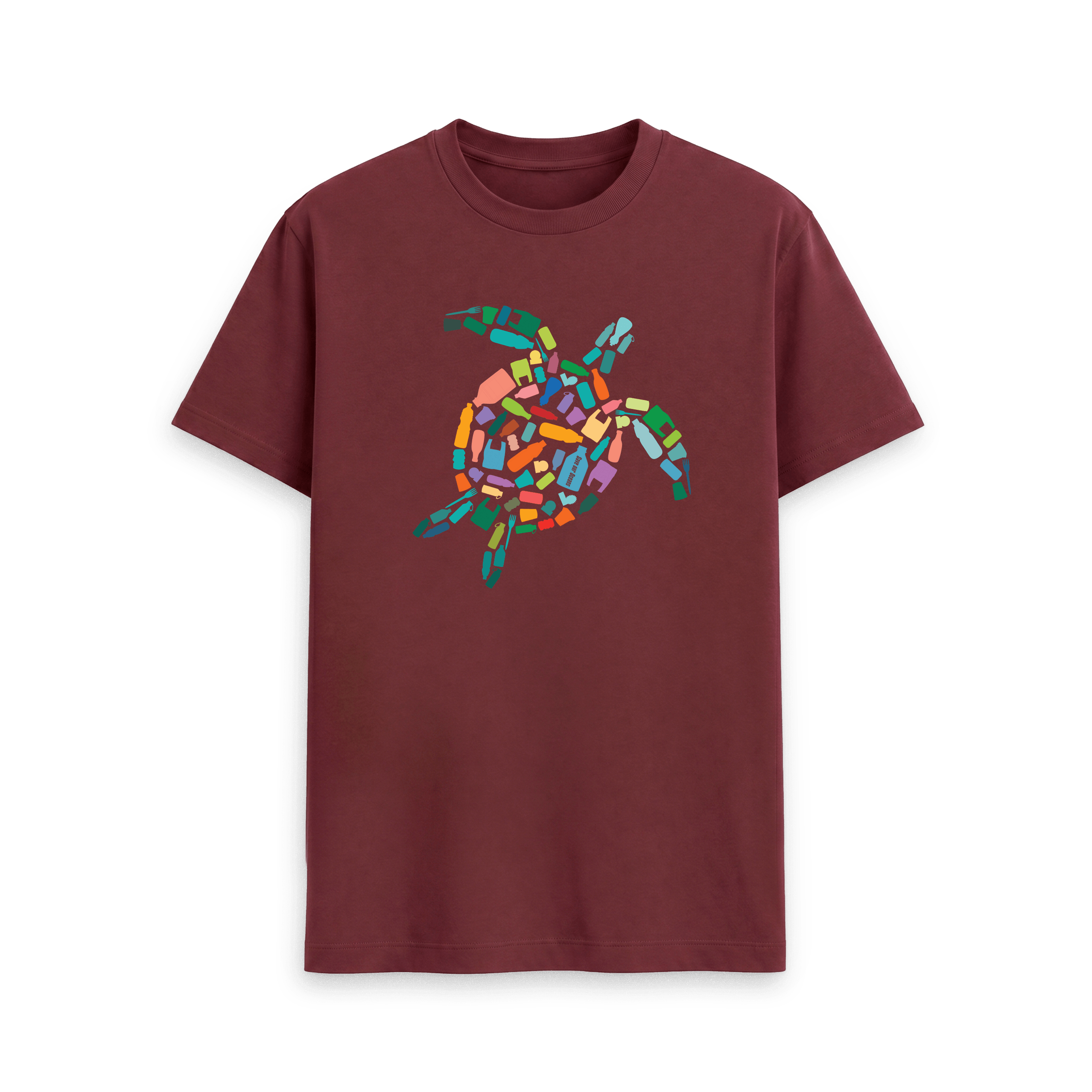
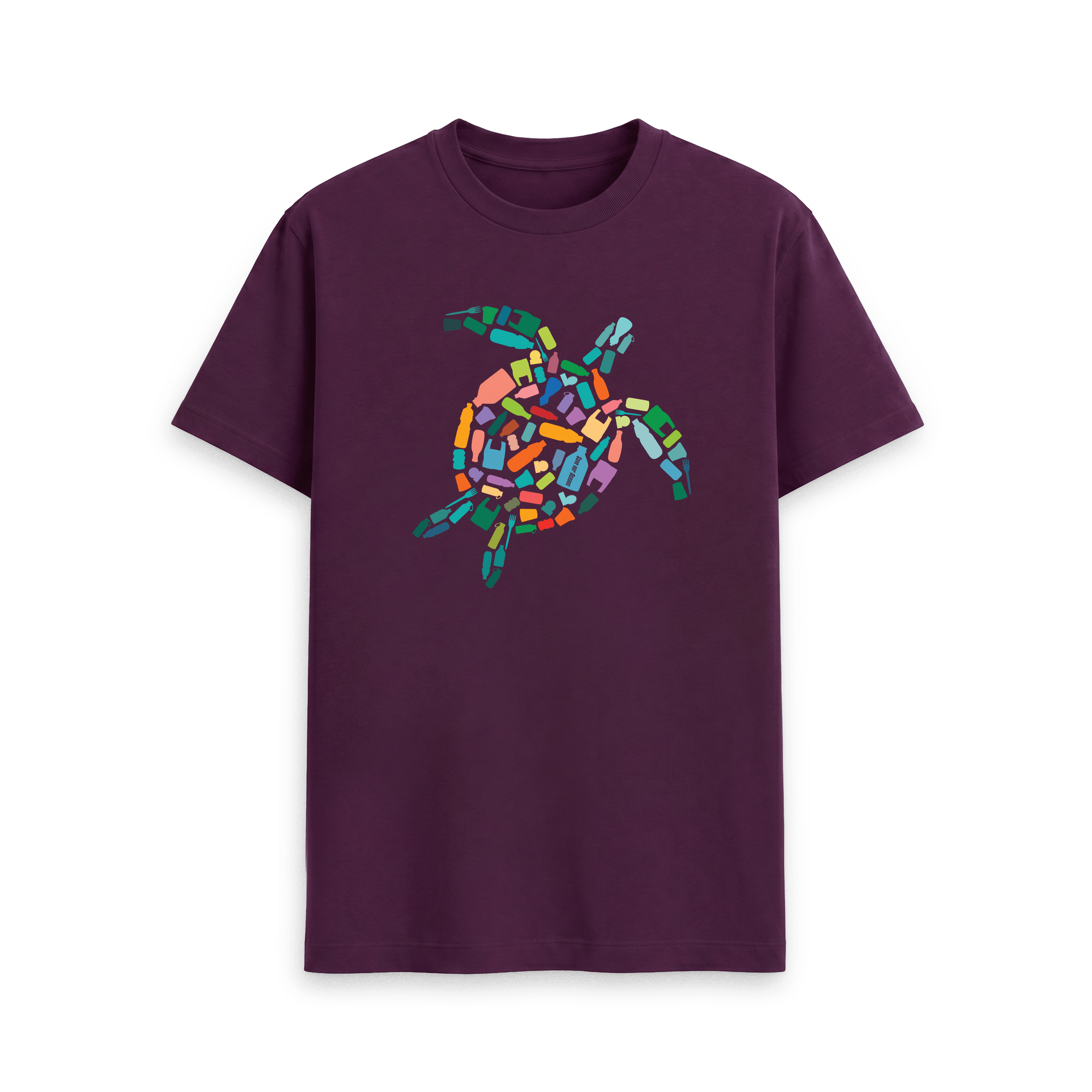
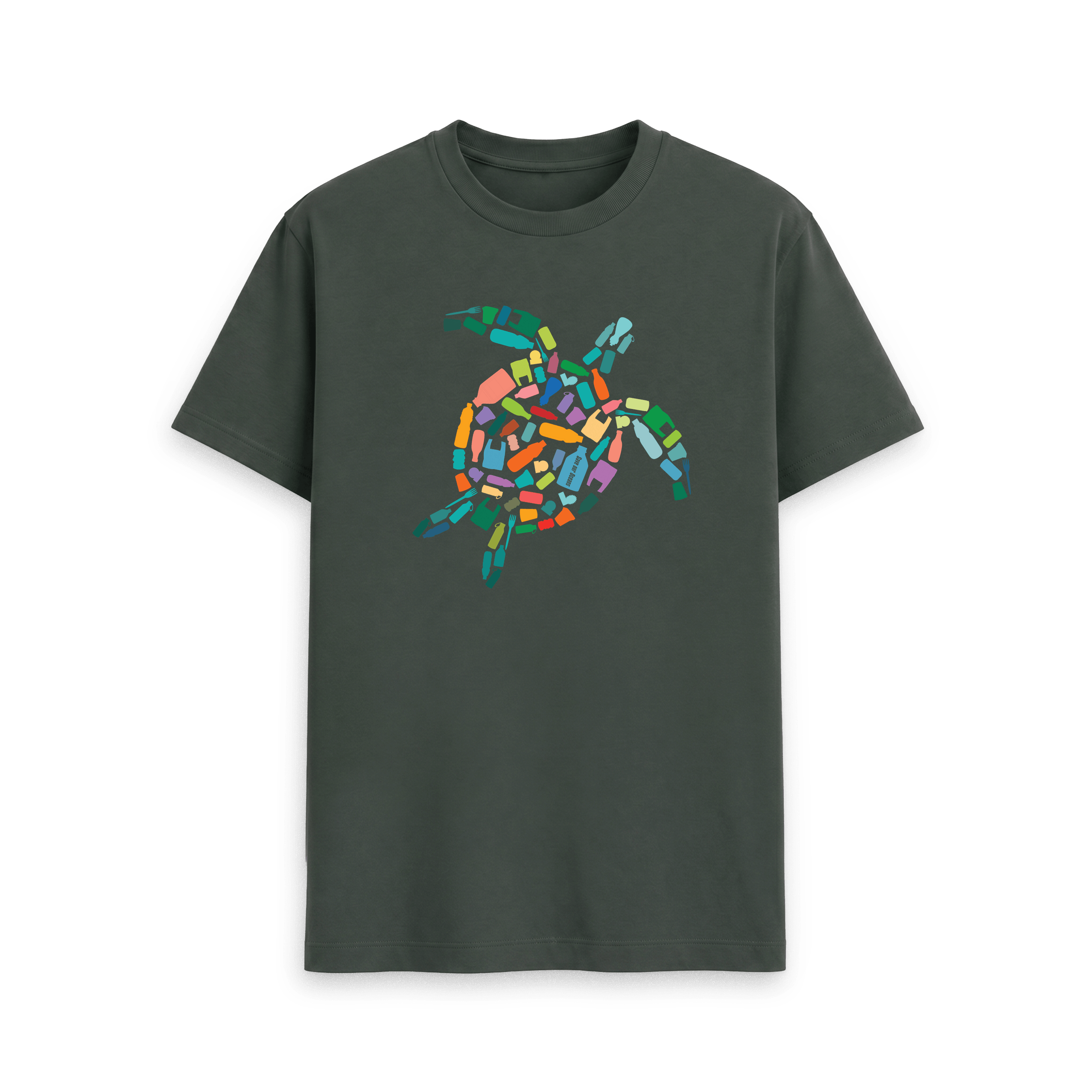
We create a lot of plastic waste and a lot of it ends up in the oceans. All this plastic does not go away but builds up to create gigantic “plastic soups”. The largest is called the Great Pacific Garbage Patch. There are a total of five plastic garbage patches across the world’s oceans.
Imagine Iran made of plastic
Our plastic waste has created a gigantic “plastic soup” in the Pacific of the size of 1.6 million square kilometers. That’s the size of Iran or over twice the size of Texas or Turkey.
Some estimates even put the great pacific garbage patch size to 15 million square kilometers - almost the size of Russia.
Of course, the garbage patch is not made of solid plastic. Is an area in the Pacific Ocean where the concentration of plastic is higher because of ocean currents. The concentration of plastic in the Great Pacific Garbage Patch as defined by Nature ranges from 1-100 kg per km2 meaning a concentration of plastic up to 10,000 times higher than “normal” ocean plastic levels. An estimated 80,000 tons of plastic is present in the area.
It’s getting bigger: A football field of plastic soup a second
Over the next 10 years, the plastic soup could double in size. At this speed, the plastic grows as much as the size of a football field every second.
According to some estimates, the patch has been growing tenfold every decade since the 1950s,
What is it made of?
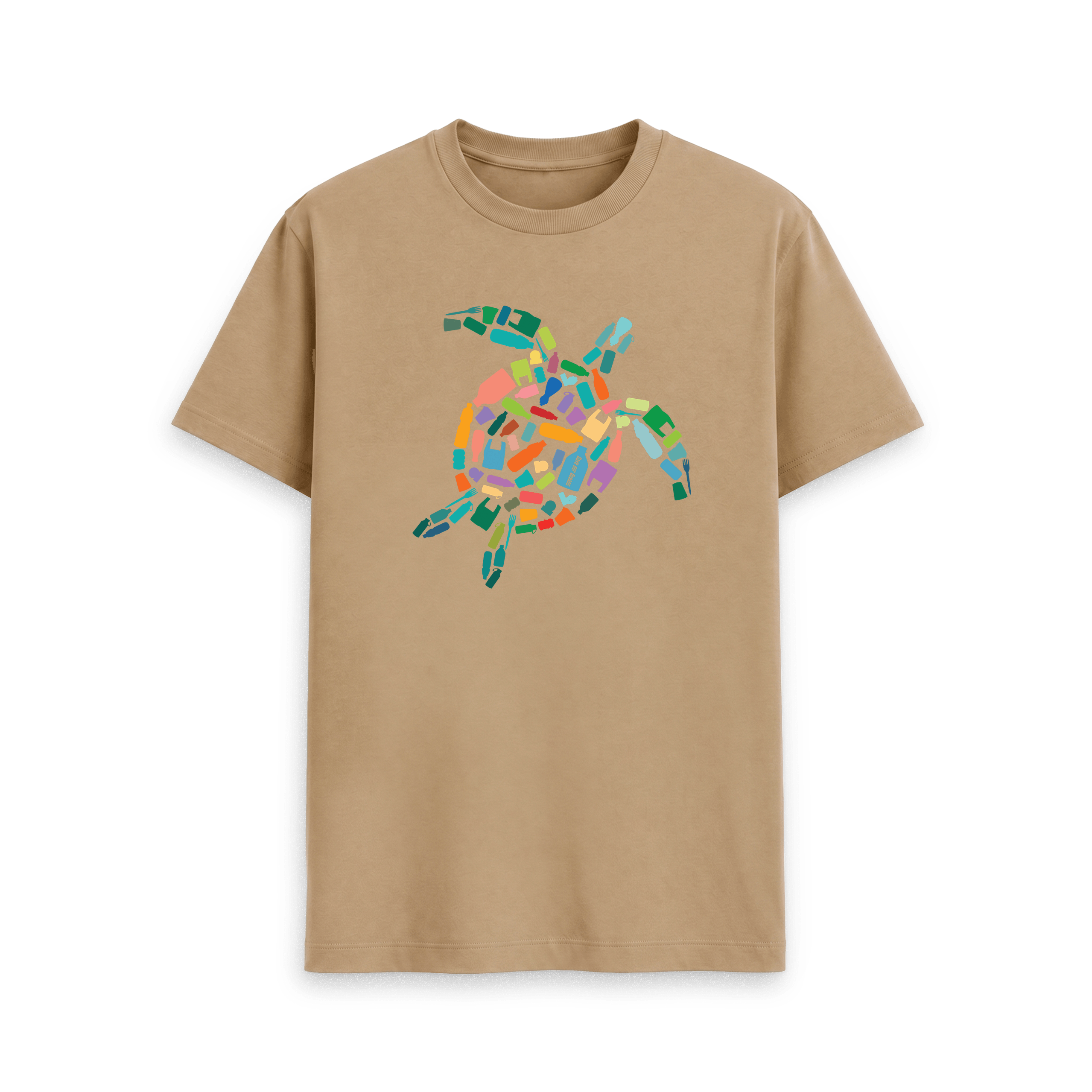
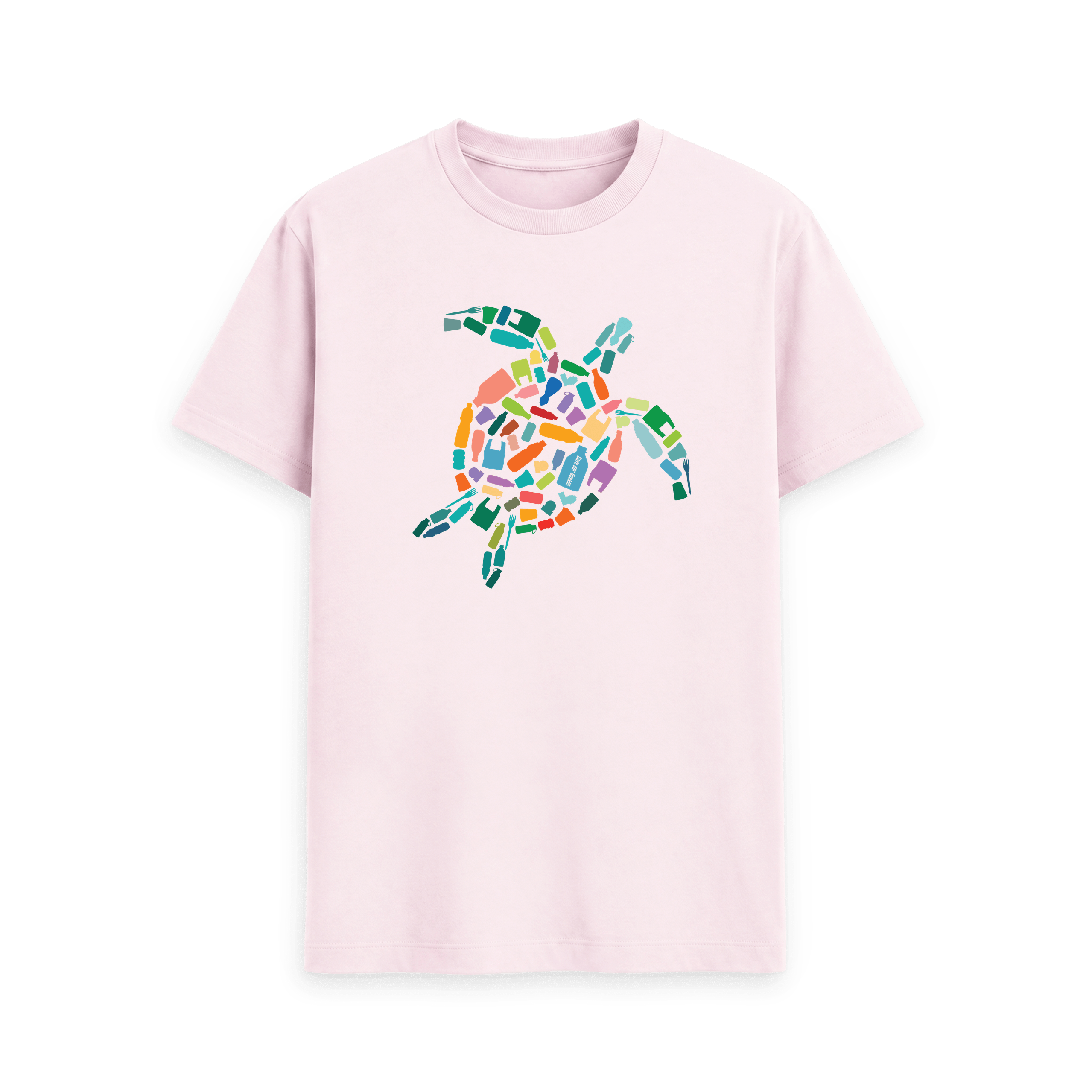
The plastic soup consists mainly of fishing nets, plastic bottles and caps, and (not least) of plastic bags. A pretty good argument for recycling and using bio-degradable bags!
Pieces of plastic in world’s oceans
More plastic produced in the last decade than in all remaining history
Global plastic production has now reached over 320 million tons a year. Without intervention, the amount of plastic in the world's oceans will triple within a decade.
A spicy soup
In the plastic soup there are 60 pounds of surface plastic to every one pound of plankton. By 2050, the world's oceans are expected to contain more plastic than fish by weight.
Plastic kills
More than 1,200 species of fish and sea mammals are impacted by plastic, through ingestion or entanglement - both of which can make them sick or kill them.
Scientists agree: “If the oceans die, we die”
Life on Earth depends on the ocean's ecosystems - including humans.
Any good news?
Plastic normally takes thousands of years to decompose. But 16-year-old Daniel Burd made it happen in just three months by isolating a microbe that lunches on plastic bags. Bags made from, for example, potato peel are also available.
See for yourself
Take a look at the plastic soup in the Pacific Ocean in the video below!

Time left until more plastic than fish
If we keep dumping plastic in Earth's oceans